
Skip to content
Logo for CA M.S. Roy featuring a circular design with upward chart, AI chip icon, and the letters MSR inside the circle, symbolizing Chartered Accountancy and Smart AI Tools in Finance

CAMSROY – AI Tools, Finance Templates & Work Automation

  • Home
  • ResourcesExpand
    • Free TemplatesExpand
      • ROI Excel Template
      • SME Financial Dashboard
      • Advanced SME Financial Model
      • 13 Week Cash Flow Forecast
      • Startup MIS Dashboard
      • Budget vs Actual Excel Template
      • AR/AP Tracker Excel
      • Payroll Salary Register
      • Bid Evaluation Financial Model
      • BESS Financial Model
      • DSCR Debt Sculpting Template
      • Inventory Management
      • Break-Even Analysis
      • Monthly Financial Statement
      • Ratio Analysis Excel Template
      • Vendor Financial Due Diligence
      • GST Invoice Template
      • Product Pricing Excel Template
      • Working Capital Gap Calculator
    • AI Tools Directory
    • Free Downloads
  • Free ToolsExpand
    • AI Prompt Engineering ToolsExpand
      • AI Prompt Helper
      • Image Prompt Builder
    • Free Career ToolsExpand
      • Resume Builder
      • Resume Score Checker
      • Cover Letter Generator
      • ATS Resume Keyword Finder
      • Interview Thank You Email Generator
      • Tell Me About Yourself Generator
      • LinkedIn Headline Generator
      • AI Resume Summary Generator
      • Job Match Analyzer
      • Networking Message Generator
      • Interview Answer Improver
      • Salary Raise Calculator
      • Resume Achievement Bullet Generator
      • Professional Bio Generator
      • STAR Interview Answer Builder
      • Resume Headline Generator
      • Interview Preparation Coach
  • InsightsExpand
    • Smart Finance with AI
    • AI Tool Reviews
    • Work Smarter with AI
    • AI Prompt Packs
  • About
  • Contact
Join Us
Logo for CA M.S. Roy featuring a circular design with upward chart, AI chip icon, and the letters MSR inside the circle, symbolizing Chartered Accountancy and Smart AI Tools in Finance
CAMSROY – AI Tools, Finance Templates & Work Automation
Download Excel Template

Download Free Working Capital Gap Calculator Excel Template

Calculate working capital requirements, cash conversion cycle, DSO, DIO, DPO and short-term funding needs with an easy-to-use Excel workbook.

Download Free TemplateDownload All Template
QUICK ANSWER Working Capital Analysis

What Is a Working Capital Gap?

A working capital gap is the short-term funding requirement created when cash is tied up in trade receivables, inventory and operating assets before the business receives cash from customers.

This Working Capital Calculator Excel Template helps calculate working capital requirements, Cash Conversion Cycle (CCC), DSO, DIO, DPO, funding gap and CC/OD requirement using your business data.

Working Capital CCC DSO DIO DPO CC/OD
Calculate Working Capital Gap →
what is a working capital gap

Working Capital Requirement Calculator

The working capital calculator excel template provides a structured way to estimate how much funding a business needs to support its day-to-day operating cycle. Working capital is generally tied up in areas such as trade receivables, inventory and other operating assets, while supplier credit and customer advances can provide part of the required funding.

By entering your business figures into the Excel workbook, you can estimate the working capital requirement and identify the amount that may need to be financed through internal funds, bank facilities or other short-term sources. This makes the template useful for business planning, financial analysis and working capital management.

Cash Conversion Cycle, DSO, DIO and DPO

The Cash Conversion Cycle (CCC) measures how long a business’s cash remains tied up in its operating cycle, from purchasing or producing inventory through collecting payment from customers. A shorter operating cycle can help reduce the amount of cash required to fund day-to-day operations.

This Excel workbook analyses the three key working capital efficiency measures — Days Sales Outstanding (DSO), Days Inventory Outstanding (DIO) and Days Payable Outstanding (DPO) — to provide a clearer view of receivables, inventory and supplier payment cycles.

DSO Days Sales Outstanding Measures the average time taken to collect customer receivables.
DIO Days Inventory Outstanding Measures how long inventory remains tied up in the business.
DPO Days Payable Outstanding Measures the average time taken to pay suppliers.
CCC Cash Conversion Cycle Shows the overall time cash remains committed to operations.

Working Capital Gap and CC/OD Funding Requirement

Once the operating cycle and working capital requirement are estimated, the next step is to determine the funding gap that may need to be financed. The workbook helps compare the funds required for day-to-day operations with available sources such as supplier credit, customer advances and existing working capital facilities.

The analysis can also help estimate the CC/OD requirement and assess the level of short-term bank funding needed to support the business cycle. This provides a practical view of the relationship between working capital needs, available operating finance and external funding.

Working Capital Gap Identify the portion of operating working capital that requires additional funding.
CC / OD Requirement Estimate the short-term bank facility required to support the operating cycle.
Drawing Power Analysis Review eligible receivables, inventory and creditor funding for working capital financing analysis.

Planning note: The calculated funding requirement is an analytical estimate. Actual bank limits, drawing power, margin requirements and eligible assets depend on lender policies and the specific terms of the financing arrangement.

Working Capital What-If Analysis

The template lets you test different working capital optimization scenarios and estimate how operational improvements could affect the amount of cash tied up in the business.

By changing key operating assumptions, you can assess the potential cash released from faster collections, lower inventory, improved supplier credit and higher customer advances. This makes it easier to compare different strategies before making changes to your working capital cycle.

Reduce Collection Days Test how faster customer collections could reduce receivables and release cash from the operating cycle.
Reduce Inventory Days Estimate the potential cash benefit from reducing inventory holding periods and improving stock efficiency.
Improve Supplier Terms Assess the effect of extending supplier payment periods on working capital funding needs.
Increase Customer Advances Evaluate how additional customer advances could reduce the amount of external working capital required.
Potential Cash Release Compare your current position with improved operating assumptions to estimate potential cash release and the corresponding reduction in working capital funding requirements.

Working Capital Dashboard & Key Outputs

The workbook brings the main working capital analysis into a structured summary, making it easier to review operating-cycle performance, funding requirements and potential cash-release opportunities in one place.

Instead of reviewing individual calculations separately, users can compare key indicators such as the working capital requirement, Cash Conversion Cycle, funding gap, CC/OD requirement and potential cash release to understand the overall position of the business.

Requirement Working Capital Requirement Review the estimated funds required to support the operating cycle.
Efficiency Cash Conversion Cycle Monitor the relationship between receivables, inventory and supplier payment periods.
Funding Working Capital Gap Identify the portion of operating requirements that may need additional funding.
Bank Finance CC / OD Requirement Assess the estimated short-term bank funding requirement based on the calculated working capital position.
Scenario Potential Cash Release Compare improved operating assumptions with the current position to estimate potential cash released.
Cost Working Capital Interest Review estimated financing costs associated with the working capital funding requirement.
Management view: Use the summary outputs to identify major working capital drivers, compare operating scenarios and support internal cash-flow and short-term funding decisions.

Working Capital Calculation Methodology & Formulas

The working capital calculation in this Excel template is based on commonly used operating-cycle and short-term funding concepts. It considers receivables, inventory, supplier credit, customer advances and other operating requirements to estimate the amount of capital tied up in day-to-day business operations.

Key measures such as DSO, DIO, DPO and Cash Conversion Cycle (CCC) help explain how quickly a business converts its operating investment back into cash. These indicators can then be used to estimate the gross working capital requirement, funding gap and potential CC/OD requirement.

DSO — Days Sales Outstanding DSO = Average Trade Receivables ÷ Credit Sales × 365 Measures the average number of days taken to collect money from customers after a credit sale.
DIO — Days Inventory Outstanding DIO = Average Inventory ÷ Cost of Goods Sold × 365 Indicates the average number of days inventory remains invested in the operating cycle before being sold or consumed.
DPO — Days Payable Outstanding DPO = Average Trade Payables ÷ Credit Purchases × 365 Measures the average time taken by the business to pay its suppliers and reflects the benefit of supplier credit.
CCC — Cash Conversion Cycle CCC = DSO + DIO − DPO Shows the approximate number of days cash remains tied up between paying for operating inputs and collecting customer receipts.

Gross Working Capital Requirement

The gross requirement represents the operating assets that need to be supported during the business cycle, including trade receivables, inventory and other relevant operating assets.

Gross Working Capital Requirement = Operating Current Assets

Working Capital Gap / Funding Requirement

The funding gap represents the portion of the working capital requirement that is not covered by operating liabilities, customer advances, internal funds or other available sources, depending on the assumptions used in the workbook.

Working Capital Gap = Gross Requirement − Available Operating Funding

Potential CC / OD Funding Requirement

The estimated short-term bank funding requirement can be assessed after considering the calculated funding gap and the assumptions relating to internal contribution or other funding sources.

Estimated CC / OD Requirement = Funding Gap − Other Available Funding
Important: These formulas provide analytical estimates for business planning and working capital analysis. Actual working capital limits, drawing power, eligible receivables, inventory margins and bank finance requirements may vary based on lender policies, business practices, financial statements and applicable credit terms.

How to Use a Working Capital Calculator Excel Template

This working capital calculator excel template provides a structured way to enter business data, calculate working capital requirements and review the cash conversion cycle. The workbook is designed to make working capital analysis in Excel easier for business owners, finance teams and professionals.

Follow the steps below to use the workbook and evaluate your working capital requirement, funding gap, CC/OD requirement and potential cash release.

01
Enter Business Data Enter sales, purchases, receivables, inventory, payables and other relevant operating assumptions in the input areas.
02
Calculate Working Capital Review the calculated gross working capital requirement based on the operating assets and business assumptions entered.
03
Review DSO, DIO & DPO Check collection days, inventory days and supplier payment days to understand the operating cycle.
04
Check Cash Conversion Cycle Review the CCC to understand approximately how long business cash remains tied up in the operating cycle.
05
Assess Funding Gap Review the working capital gap and estimated short-term funding or CC/OD requirement.
06
Test What-If Scenarios Change collection, inventory, supplier and customer advance assumptions to evaluate potential cash release.
Best practice: Update the inputs with realistic business assumptions and compare different operating scenarios to identify opportunities for better collections, inventory management, supplier credit and cash-flow planning.

Benefits of Working Capital Analysis

Effective working capital management helps a business understand how much cash is committed to day-to-day operations and where improvements can reduce funding pressure. This Excel template helps evaluate key working capital drivers and compare practical improvement scenarios.

₹
Improve Cash Flow Visibility Understand how receivables, inventory and supplier credit affect the amount of cash tied up in operations.
↓
Identify Funding Requirements Estimate the working capital gap and assess potential short-term funding or CC/OD requirements.
↗
Improve Working Capital Efficiency Evaluate the effect of faster collections, lower inventory and improved supplier payment terms.
◷
Monitor Operating Cycle Use DSO, DIO, DPO and CCC to understand the speed at which operating investments are converted back into cash.
%
Assess Financing Cost Review estimated working capital interest costs and understand how funding requirements can affect financing expenses.
✓
Support Financial Planning Use the calculated outputs and what-if scenarios for cash-flow planning, budgeting and internal financial analysis.
Key benefit: Better control of receivables, inventory and supplier credit can reduce the amount of cash tied up in operations and may lower the need for external working capital funding.
benefits of working capital analysis
Free Excel Template

Free Working Capital Excel Template Download

Download the Excel workbook to calculate your working capital requirement, Cash Conversion Cycle, DSO, DIO, DPO, working capital gap and CC/OD funding requirement. Use the built-in analysis and what-if scenarios to evaluate working capital needs and potential cash-release opportunities.

Working Capital Requirement CCC Analysis DSO / DIO / DPO Funding Gap CC / OD Requirement What-If Analysis
Download Free Template
Excel workbook • Easy to use • Suitable for business planning and working capital analysis
free working capital excel template download

Assumptions & Limitations

The working capital calculator Excel template provides estimates based on the financial information and assumptions entered by the user. The results are intended to support working capital analysis, planning and internal financial assessment.

✓ Key Assumptions

  • Calculations depend on the sales, purchases, receivables, inventory, payables and other inputs entered by the user.
  • DSO, DIO, DPO and CCC are calculated using the operating assumptions used in the workbook.
  • Working capital requirements may change with seasonality, business growth, payment terms and operating conditions.
  • What-if analysis represents estimated outcomes based on the revised assumptions entered.

! Important Limitations

  • Calculated values are estimates and should not be considered guaranteed financial or funding outcomes.
  • Actual CC/OD limits and drawing power may differ based on lender policies, credit assessment and applicable margins.
  • Eligibility of receivables, inventory and other assets may vary between banks and financial institutions.
  • Actual working capital requirements may differ due to business-specific circumstances and accounting practices.
Important: This Excel template is provided for educational, analytical and planning purposes only. It does not constitute financial, accounting, banking or investment advice. Users should verify the inputs and calculated results against their actual financial statements, business circumstances and applicable lender requirements before making financial or funding decisions.

Working Capital Calculator Excel Template FAQs

Find quick answers about working capital requirements, cash conversion cycle, DSO, DIO, DPO, working capital gaps and short-term funding calculations.

What is a working capital calculator?
A working capital calculator is a financial analysis tool used to estimate the amount of capital required to support a business’s day-to-day operating cycle. It can consider receivables, inventory, payables, operating days and other funding factors to estimate the overall working capital requirement.
How do you calculate working capital requirements?
Working capital requirements can be estimated by analysing the operating assets and liabilities that are tied to the business cycle. Receivables, inventory and other operating assets generally create a funding requirement, while supplier credit and customer advances can reduce the amount that needs to be funded.
What is the working capital gap?
The working capital gap represents the portion of the operating working capital requirement that is not covered by available operating funding such as supplier credit or other applicable sources. It can help businesses estimate their additional short-term funding requirement.
What is the Cash Conversion Cycle (CCC)?
The Cash Conversion Cycle (CCC) measures the approximate number of days that cash remains tied up in the operating cycle. It is commonly calculated as DSO + DIO − DPO. A lower CCC may indicate that a business is converting its operating investment into cash more efficiently.
How are DSO, DIO and DPO calculated?
DSO (Days Sales Outstanding) measures the average collection period for receivables. DIO (Days Inventory Outstanding) measures the average period inventory remains invested in the business. DPO (Days Payable Outstanding) measures the average time taken to pay suppliers. These measures are key inputs for operating-cycle and working capital analysis.
How do you calculate CC/OD requirements?
A CC/OD funding requirement can be estimated by assessing the working capital funding gap after considering available operating funding and other applicable sources. The resulting estimate can help in planning short-term bank financing, although actual limits depend on the lender’s assessment, drawing power, margins and eligibility criteria.
Can this working capital Excel template be used for an SME?
Yes. The working capital Excel template can be used by SMEs and other businesses for internal financial planning, working capital analysis and funding assessment. Users can enter their own business data and test different assumptions relating to collections, inventory, supplier terms and customer advances.

Ready to analyse your working capital requirement and funding gap?

Download Free Template →

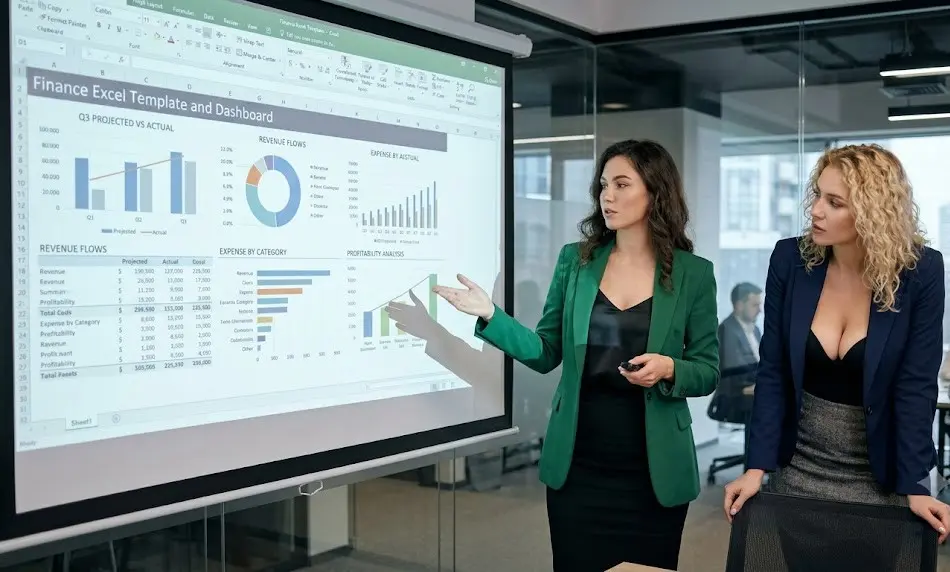
working capital template and dashboard excel faq
explore more excel templates

Explore More Excel Templates for Finance & Business

Take your finance and business analysis further with our collection of free Excel templates, financial models, and practical finance tools. Each resource is designed for a specific business or finance use case to simplify calculations, organize information, and support better decision-making.

Explore tools for financial statements, ratios, project finance, budgeting, forecasting, cash flow analysis, loan calculations, investment evaluation, and business planning—all ready to adapt to your own requirements.

SME Financial Excel Templates & Utilities

  • ROI Excel Template (Free Download) – Financial Model
  • SME Financial Dashboard Excel Template (Free KPI Tracker)
  • Free Financial Model Excel Template -Track Your Business KPI
  • 13 Week Cash Flow Forecast Excel Template – Track Cash Weekly
  • Free Startup MIS Dashboard Excel Template with KPI Dashboard
  • Budget vs Actual Excel Template (Free Download) for SMEs
  • Accounts Receivable and Payable Tracker Excel Template – Free
  • Payroll Salary Register Excel Template (Free Download)
  • Bid Evaluation Financial Model Excel Template (Free Download)
  • BESS Financial Model Excel Template – Free Project Finance Model
  • Free DSCR Debt Sculpting Excel Template | Project Finance Model
  • Inventory Management Excel Template – Free Download
  • Break Even Analysis Excel Template – Free Excel Download
  • Monthly Financial Statement Excel Template with Ratios
  • Financial Ratio Analysis Excel Template – 28+ Ratios
  • Vendor Financial Due Diligence Excel Template | Risk Assessment
  • GST Invoice Template Excel – Automatic GST Invoice Generator
  • Product Pricing Excel Template – Calculate Selling Price & Profit

sme financial excel templates working cpaital

SUBSCRIBE FOR NEW FINANCE TEMPLATES, TOOLS & INSIGHTS

  • svg%3E
  • svg%3E
  • svg%3E
  • svg%3E

Disclaimer


This
Working Capital Calculator Excel Template is provided for educational, analytical, financial planning and business management purposes only. The template uses user-entered business information, sales and purchase data, receivables, inventory, payables, operating cycle assumptions, payment terms, funding assumptions and other inputs to calculate and present indicative working capital requirements, cash conversion metrics, funding gaps and short-term financing scenarios.
The working capital calculations, Cash Conversion Cycle (CCC), DSO, DIO, DPO, working capital gap, CC/OD funding requirement, drawing power estimates, potential cash release and other information generated by the template are based on the assumptions and data entered by the user and may not reflect actual business conditions or financing requirements. Users should independently verify financial statements, receivables, inventory, payables, credit terms, collection periods, supplier terms, applicable lender requirements and other relevant assumptions before relying on the results. Actual working capital limits, drawing power, borrowing eligibility, margins, interest costs and financing terms may vary by business and lender. The template does not constitute financial, accounting, investment, tax, legal or professional advice, and users remain responsible for evaluating the suitability of any working capital or financing decision for their specific business circumstances.

CAMSROY
Redefining Finance with AI
  • Disclosure
  • Privacy Policy
  • Terms & Conditions
  • Payment & Refund Policy
  • About
  • Contact
  • Insights
  • Free Tools
  • AI Tools Directory
  • Resources
  • Portfolio

© 2026 camsroy.com. All rights reserved.

Facebook YouTube Twitter Instagram WhatsApp Telegram
Scroll to top
  • Home
  • Resources
    • Free Templates
      • ROI Excel Template
      • SME Financial Dashboard
      • Advanced SME Financial Model
      • 13 Week Cash Flow Forecast
      • Startup MIS Dashboard
      • Budget vs Actual Excel Template
      • AR/AP Tracker Excel
      • Payroll Salary Register
      • Bid Evaluation Financial Model
      • BESS Financial Model
      • DSCR Debt Sculpting Template
      • Inventory Management
      • Break-Even Analysis
      • Monthly Financial Statement
      • Ratio Analysis Excel Template
      • Vendor Financial Due Diligence
      • GST Invoice Template
      • Product Pricing Excel Template
      • Working Capital Gap Calculator
    • AI Tools Directory
    • Free Downloads
  • Free Tools
    • AI Prompt Engineering Tools
      • AI Prompt Helper
      • Image Prompt Builder
    • Free Career Tools
      • Resume Builder
      • Resume Score Checker
      • Cover Letter Generator
      • ATS Resume Keyword Finder
      • Interview Thank You Email Generator
      • Tell Me About Yourself Generator
      • LinkedIn Headline Generator
      • AI Resume Summary Generator
      • Job Match Analyzer
      • Networking Message Generator
      • Interview Answer Improver
      • Salary Raise Calculator
      • Resume Achievement Bullet Generator
      • Professional Bio Generator
      • STAR Interview Answer Builder
      • Resume Headline Generator
      • Interview Preparation Coach
  • Insights
    • Smart Finance with AI
    • AI Tool Reviews
    • Work Smarter with AI
    • AI Prompt Packs
  • About
  • Contact
Search