
Free Interview Thank You Email Generator
Create thoughtful, professional post-interview thank you emails that leave a strong final impression and reinforce your interest in the role.
✓ Free Career Tool • ✓ Professional Tone • ✓ Recruiter Friendly • ✓ Instant Copy & Send
Why Interview Thank You Emails Matter
Many candidates prepare carefully for interviews but never send a professional follow-up email afterward. A thoughtful interview thank you email can reinforce your interest in the role, leave a positive final impression, and help recruiters remember your profile after multiple interviews. This free Interview Thank You Email Generator helps job seekers create polished, recruiter-friendly thank you emails in minutes without sounding overly formal or robotic.
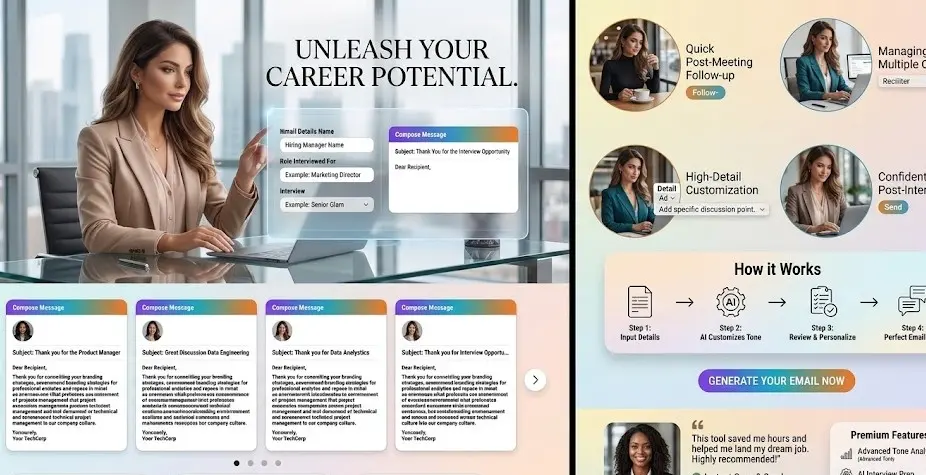
Interview Thank You Email Generator
Email Details
Email Preview

What Is an Interview Thank You Email?
An interview thank you email is a short professional follow-up message sent after a job interview to thank the interviewer and reaffirm your interest in the role. A thoughtful follow-up email can leave a positive final impression while demonstrating professionalism, communication skills, and genuine enthusiasm for the opportunity.
Many job seekers search for:
- how to write a thank you email after interview
- professional interview follow-up email sample
- short thank you email after HR interview
- interview thank you email example for freshers
This free Interview Thank You Email Generator helps candidates create recruiter-friendly thank you emails quickly without sounding overly formal, repetitive, or robotic.
Whether you are a fresher attending your first interview or an experienced professional following up after a final HR round, sending a concise thank you email after an interview can help recruiters remember your profile more positively during the hiring process.
When Should You Send a Thank You Email After an Interview?
The best time to send a thank you email after an interview is usually within 12 to 24 hours of the conversation. Sending a professional interview follow-up email while the discussion is still fresh can reinforce your interest in the role and leave a stronger impression on recruiters or hiring managers.
Many job seekers search for:
- when to send thank you email after interview
- should I send thank you email after HR interview
- how soon should I follow up after interview
- interview follow-up email timing
- professional thank you email after interview sample
In most cases, candidates should send a concise thank you email after:
- HR interviews
- technical interview rounds
- panel interviews
- final interview discussions
Avoid writing overly long, repetitive, or overly formal follow-up emails. A short, genuine, and professional thank you message is usually more effective and recruiter-friendly.
Even a simple follow-up email can help candidates appear more professional, thoughtful, and genuinely interested in the opportunity during the hiring process.

What Should a Professional Interview Follow-Up Email Include?
A good interview follow-up email does not need to sound overly formal or complicated. In most cases, recruiters appreciate short, thoughtful messages that feel genuine and professional rather than emails that sound copied from templates online.
The best interview thank you emails usually include:
- appreciation for the interviewer’s time
- mention of the role or interview discussion
- continued enthusiasm for the opportunity
- a polite professional closing
Many candidates worry about saying the “perfect” thing after an interview, but clarity and sincerity matter far more than using overly impressive language. A concise follow-up email that sounds natural and respectful often creates a stronger impression than a long corporate-style message.
Whether you are sending a thank you email after an HR interview, technical round, or final discussion, keeping your message professional, confident, and personalized can help reinforce positive communication skills during the hiring process.
Interview Thank You Email Examples
Sometimes the hardest part of writing a follow-up email is simply figuring out how to sound professional without sounding too formal or awkward. The good news is that interview thank you emails do not need to be lengthy to leave a positive impression.
Below are some professional interview thank you email examples for different situations, including freshers, HR interviews, and final interview rounds.

Thank You, Email Example for Freshers,
A simple and polite follow-up email is usually enough for entry-level interviews. Freshers should focus on sounding genuine, professional, and enthusiastic about the opportunity.
Thank You Email After HR Interview
After HR interview rounds, candidates can briefly thank the interviewer for their time while reinforcing interest in the company culture, role, or next steps discussed during the conversation.
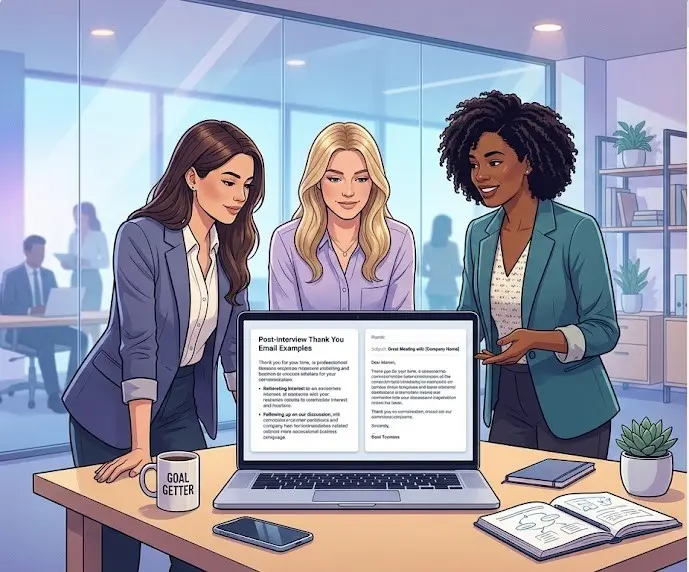
Short Interview Thank You Email Example
Short thank you emails often work best because recruiters and hiring managers usually prefer concise and easy-to-read follow-up messages rather than overly detailed emails.
Formal Follow-Up Email Sample
For senior roles or corporate positions, candidates may prefer a slightly more formal interview follow-up email while still keeping the tone professional, respectful, and natural.
A well-written thank you email does not need perfect corporate language. In most cases, recruiters appreciate thoughtful and genuine communication far more than overly polished or robotic follow-up messages.

Common Interview Thank You Email Mistakes Candidates Should Avoid
A thank you email after an interview can strengthen your professional image — but only when the message feels natural, respectful, and thoughtfully written. Many candidates unintentionally reduce the impact of their follow-up emails by trying too hard to sound overly formal or “perfect.”
Small mistakes in interview follow-up emails can sometimes make candidates appear unprepared, overly aggressive, or less professional than intended. Understanding what to avoid can help job seekers write more confident and recruiter-friendly thank you emails.
Below are some of the most common interview thank you email mistakes candidates should avoid during the hiring process.
Writing Extremely Long Follow-Up Emails
Recruiters usually prefer short and professional thank you emails. Clear and concise follow-up messages are often easier to read and leave a better impression after interviews.
Sending Multiple Follow-Up Emails Too Quickly
Sending repeated interview follow-up emails within a short time can create unnecessary pressure on recruiters. In most cases, one professional thank you email is enough.
Sounding Overly Desperate or Aggressive
Trying too hard to express interest in the role can sometimes make a thank you email sound overly forceful. A confident and respectful tone usually feels more professional and natural.
Using Generic Copy-Paste Templates
Recruiters can often recognize generic thank you email templates copied from the internet. Personalized follow-up emails usually feel more genuine and professional.
Ignoring Grammar and Professional Tone
Even short interview thank you emails should maintain proper grammar and professional communication. Small mistakes or overly casual language can weaken the overall impression.
A thoughtful interview thank you email does not need complicated wording. In most cases, a simple, genuine, and professional follow-up message leaves the strongest impression after an interview.
Frequently Asked Questions (FAQs)
Related Career Tools
Preparing for interviews usually involves much more than answering questions during the interview itself. From optimizing resumes to improving communication and professional introductions, the following career tools can help candidates strengthen different parts of the job application and interview process.
Get Free Career Tips & Interview Resources
Receive interview tips, ATS resume guidance, and free AI-powered career tools directly in your inbox.
Disclaimer
This Interview Thank You Email Generator is designed to help job seekers create professional follow-up emails for interview preparation and career guidance purposes. Users should personalize generated emails based on their interview experience, company culture, and communication style before sending them to recruiters or hiring managers.